

How Eye Exams Detect Glaucoma, Diabetes, and Retinal Disease Early
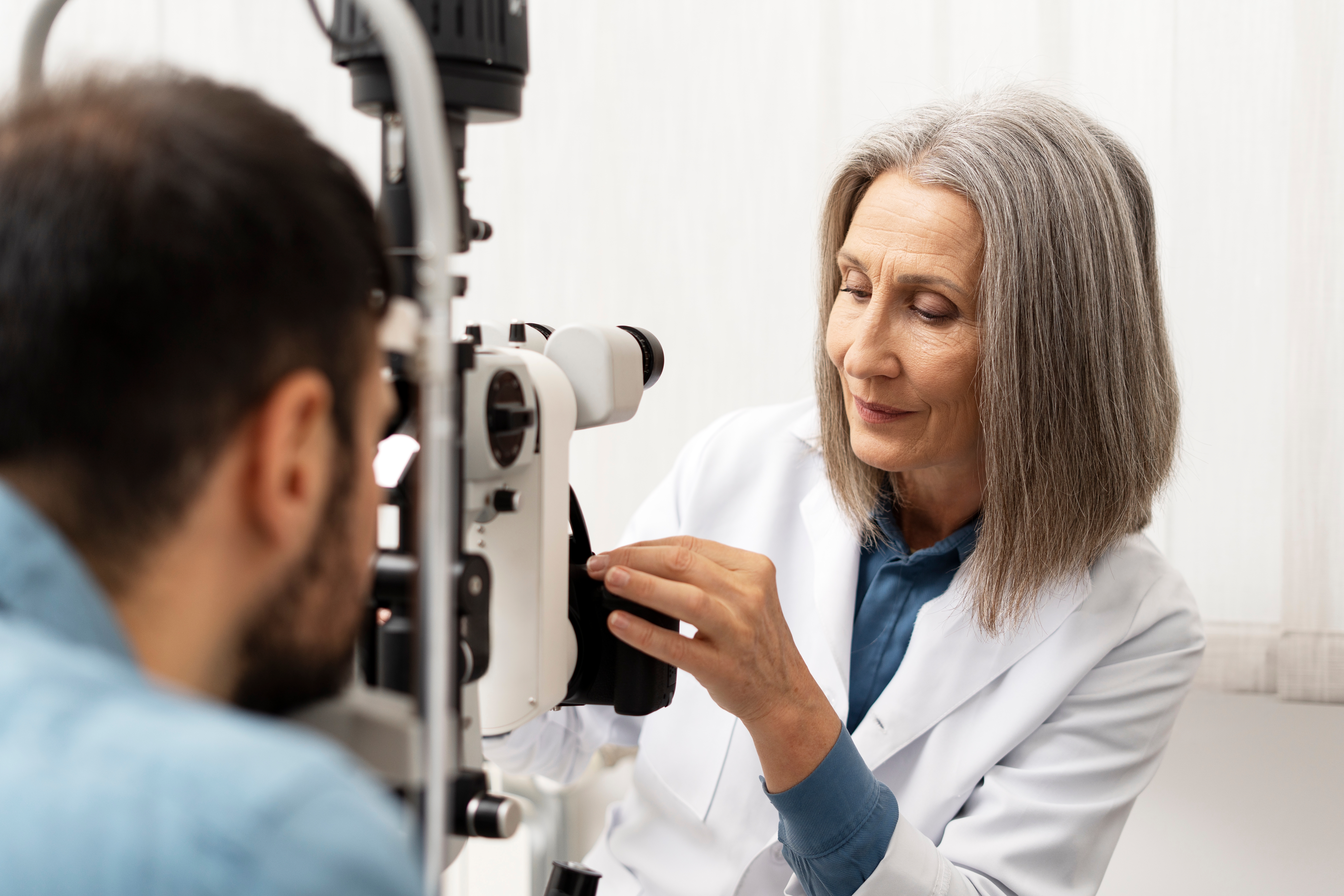
Eye exams do more than update your glasses or contact lens prescription. A comprehensive eye exam can help detect early signs of glaucoma, diabetes-related eye changes, retinal disease, and other conditions that may develop without obvious symptoms. For many patients, these exams are one of the most important steps in protecting long-term vision.
Why Early Detection Is Crucial
Many serious eye diseases begin quietly. You may still see clearly while damage is developing in the optic nerve, retina, or blood vessels inside the eye. By the time symptoms appear, vision loss may already be advanced.
Regular eye exams allow our optometrist to look for subtle changes before they affect daily life. Early detection can lead to earlier treatment, closer monitoring, and better protection for your vision over time.
How Eye Exams Help Detect Glaucoma
Glaucoma is often linked to pressure inside the eye, but it can also involve changes to the optic nerve. During a comprehensive eye exam, our eye doctor may check eye pressure, evaluate the optic nerve, assess peripheral vision, and look for signs of nerve damage.
Because glaucoma can progress without pain or noticeable vision changes, routine exams are especially important. Detecting glaucoma early gives patients a better chance of slowing progression before permanent vision loss occurs.
Diabetes and Eye Health
Diabetes can affect the small blood vessels in the retina, leading to a condition called diabetic retinopathy. In its early stages, diabetic eye disease may not cause blurry vision or discomfort. A dilated eye exam or retinal evaluation can reveal changes that patients may not feel or notice.
Eye exams may help identify:
- Leaking or damaged retinal blood vessels
- Swelling in the retina
- Early signs of diabetic retinopathy
- Changes that may require closer monitoring
- Vision concerns related to blood sugar fluctuations
For patients with diabetes, routine eye care is an important part of overall health management.
Detecting Retinal Disease Before Symptoms Progress
The retina is the light-sensitive tissue at the back of the eye. Retinal disease can affect central vision, side vision, or overall clarity depending on the condition. During an eye exam, our optometrist can evaluate the retina for signs of disease, injury, inflammation, or abnormal changes.
Retinal evaluations can help detect concerns such as macular degeneration, retinal tears, diabetic retinopathy, and other conditions that may require timely care. When retinal disease is found early, patients often have more options for monitoring and treatment.
When to Schedule an Eye Exam
You should schedule an eye exam if you notice blurry vision, sudden vision changes, floaters, flashes of light, eye pain, or loss of side vision. However, you should not wait for symptoms to appear. Adults, seniors, patients with diabetes, and anyone with a family history of glaucoma or retinal disease should stay consistent with routine comprehensive eye exams. Preventive eye care helps our optometrist track changes over time and identify concerns before they become more serious.
Stay Ahead of Eye Disease with Montrose Eye Care
A comprehensive eye exam gives your doctor a detailed look at your eye health, not just your prescription. From glaucoma screening to diabetic eye evaluations and retinal disease detection, these exams play an important role in preserving clear, healthy vision.
Schedule your annual eye exam with Montrose Eye Care to help detect early signs of glaucoma, diabetic eye disease, and retinal disease before they affect your vision. Visit our office in Houston, Texas, or call (713) 300-1477 to book an appointment today.


- Monday 9:00am - 6:00pm
- Tuesday 10:00am - 6:00pm
- Wednesday 10:00am - 6:00pm
- Thursday 9:00am - 6:00pm
- Friday 9:00am - 3:00pm
- Saturday Closed
- Sunday Closed
Powered by: 