

The Impact of Screen Time on Your Eyes and How to Protect Them
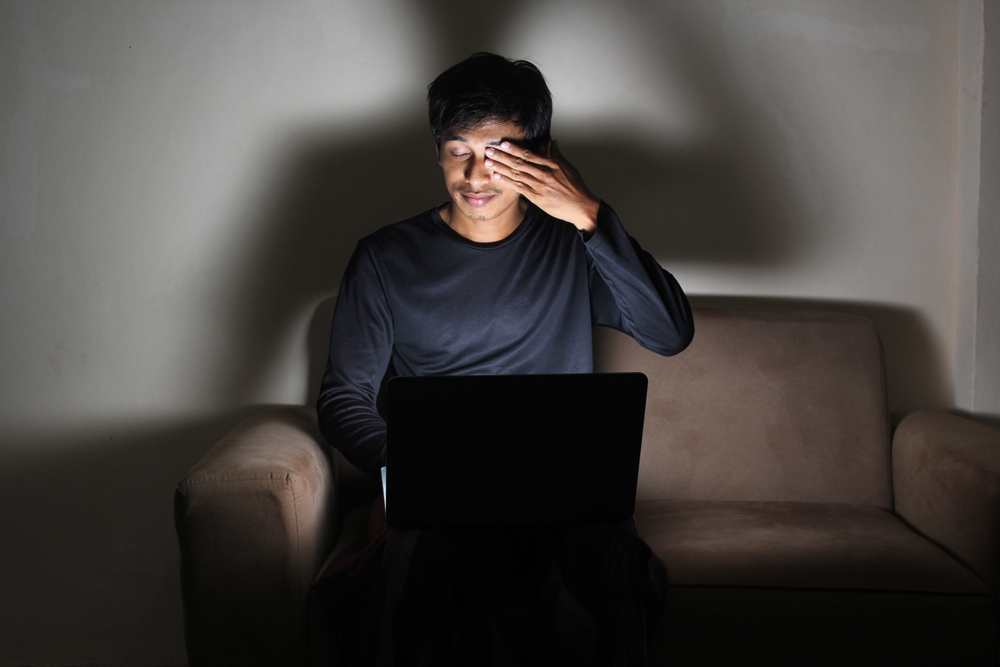
If you spend hours each day looking at a computer, tablet, or smartphone, you may notice your eyes feeling tired or uncomfortable by the end of the day. Digital screens demand constant focus, which can lead to eye strain and headaches over time. Understanding how screen time affects your eyes is the first step toward protecting your vision.
How Screen Time Affects Your Eyes
Spending long hours focusing on digital screens forces your eyes to work harder than they were designed to. Unlike reading a book, screen viewing involves glare, constant refocusing, and reduced blinking - all of which can lead to discomfort.
Common symptoms associated with prolonged screen use include:
• Eye strain and fatigue
• Headaches, especially later in the day
• Blurred or fluctuating vision
• Dry, irritated, or burning eyes
• Neck and shoulder discomfort from poor posture
These symptoms are often grouped under digital eye strain, also known as computer vision syndrome. While usually temporary, ongoing strain can significantly affect your comfort, productivity, and overall quality of life.
Why Screens Cause More Strain Than You Think
One major reason screens are so demanding on your eyes is reduced blinking. Studies show that people blink up to 60% less when using digital devices. This leads to dry eye symptoms and irritation.
Additionally, digital screens emit blue light, which scatters more easily than other visible light. This scattering makes it harder for your eyes to maintain sharp focus, increasing visual effort and fatigue over time. For some individuals, underlying eye alignment or focusing issues can make screen-related discomfort even worse.
The Connection Between Eye Alignment and Digital Discomfort
Not all eye strain is caused solely by screen exposure. In many cases, small misalignments between the eyes can force the visual system to constantly compensate. Over time, this extra effort may result in headaches, eye pain, or difficulty concentrating—especially during extended screen use.
How Newton™ (Formerly Neurolens®) Can Help
Newton™ lenses are designed to address subtle eye alignment issues that traditional glasses may not correct. Using precise measurements taken during a comprehensive eye exam, Newton™ lenses incorporate a specialized contoured prism technology that helps reduce the strain caused by misalignment.
Patients who experience frequent headaches, eye strain, or discomfort during screen use may benefit from this type of lens technology. By improving how the eyes work together, Newton™ lenses can help reduce the visual effort required for prolonged digital tasks.
Practical Ways to Protect Your Eyes from Screen Time
While specialized lenses can help, everyday habits are just as important for protecting your eyes. Here are several proven strategies to reduce digital eye strain:
• Follow the 20-20-20 Rule: Every 20 minutes, take a 20-second break and look at something at least 20 feet away. This helps relax your eye muscles and reduce fatigue.
• Optimize Your Screen Setup: Position screens slightly below eye level. Keep screens about arm’s length away. Reduce glare with proper lighting or screen filters.
• Maintain Good Posture: Poor posture can contribute to neck and shoulder tension, which often accompanies eye strain. Keep your feet flat on the floor and your back supported.
Routine eye exams are essential for detecting vision changes and identifying issues that may be contributing to digital eye strain. Even if your vision seems fine, subtle changes in eye alignment, focusing ability, or tear production can impact comfort during screen use.
Get Help for Screen-Related Eye Discomfort
Screen time is an unavoidable part of modern life, but eye discomfort doesn’t have to be. With the right strategies, proper eyewear, and advanced options like Newton™ (formerly Neurolens®), you can protect your eyes while staying productive and connected.
If you’re experiencing headaches, eye strain, or discomfort during screen use, the team at Montrose Eye Care is here to help. Schedule a comprehensive eye exam to explore personalized solutions designed to support your visual comfort in a digital world. Visit our office in Houston, Texas, or call (713) 300-1477 today.



- Monday 9:00am - 6:00pm
- Tuesday 10:00am - 6:00pm
- Wednesday 10:00am - 6:00pm
- Thursday 9:00am - 6:00pm
- Friday 9:00am - 3:00pm
- Saturday Closed
- Sunday Closed
Powered by: 